Universities serve as valuable hubs for researchers, yet conducting community-engaged research and implementing research findings from within these institutions can be challenging for many reasons. There comes a point in many researchers’ lives when they want to grow the reach and access of their research or establish an organization to implement their research findings, the natural question might be: “Should I start a non-profit?”
In this episode, we aim to learn from researchers who realized their research and implementation goals had grown beyond academia and how they decided a non-profit organization could advance their policy-relevant research and community change initiatives.
Meet the Speakers!
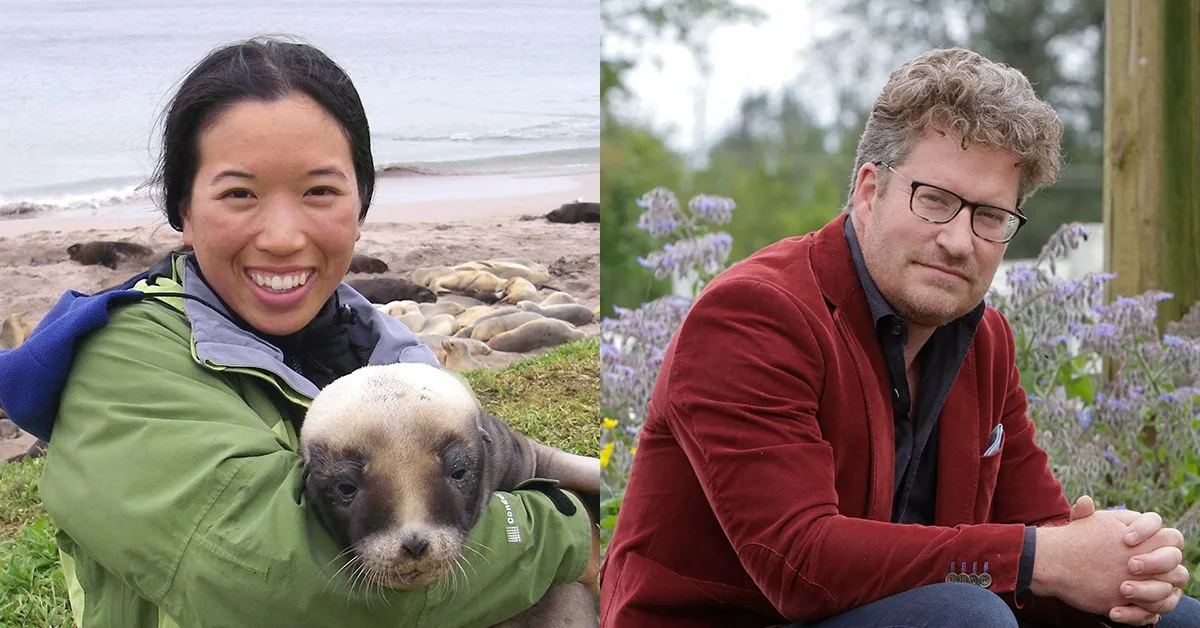
Joining us are two boundary-spanning individuals who started in academia and later founded non-profit organizations. We will hear why they made that move and how they think universities can be drivers for partnership and innovation in the non-profit sector.
First, we have Dr. Paul Kershaw, a policy professor in UBC’s School of Population and Public Health and the Founder and Executive Chair of Generation Squeeze. While still employed at the university, Paul has used GenSqueeze as a home to conduct research that advocates for social policy change. The Government of Canada awarded him its inaugural prize for excellence in moving “Knowledge to Action” on housing in 2018.
We are also joined by Dr. Elaine Leung, a marine biologist and founder of Sea Smart. Elaine graduated from UBC with a BSc honors degree in marine biology and completed her PhD at the University of Otago in New Zealand. Sea Smart’s mission is to empower kids to be ocean heroes through fun, action-oriented, and solutions-based education programs like outdoor summer camps, school workshops, and online programs.
In this conversation, we hear about their journeys from academia to founding non-profits, the challenges they faced, and their insights on how universities can support similar initiatives. Whether you are a researcher contemplating a similar path or simply interested in community-engaged research, this episode is packed with valuable insights and advice.