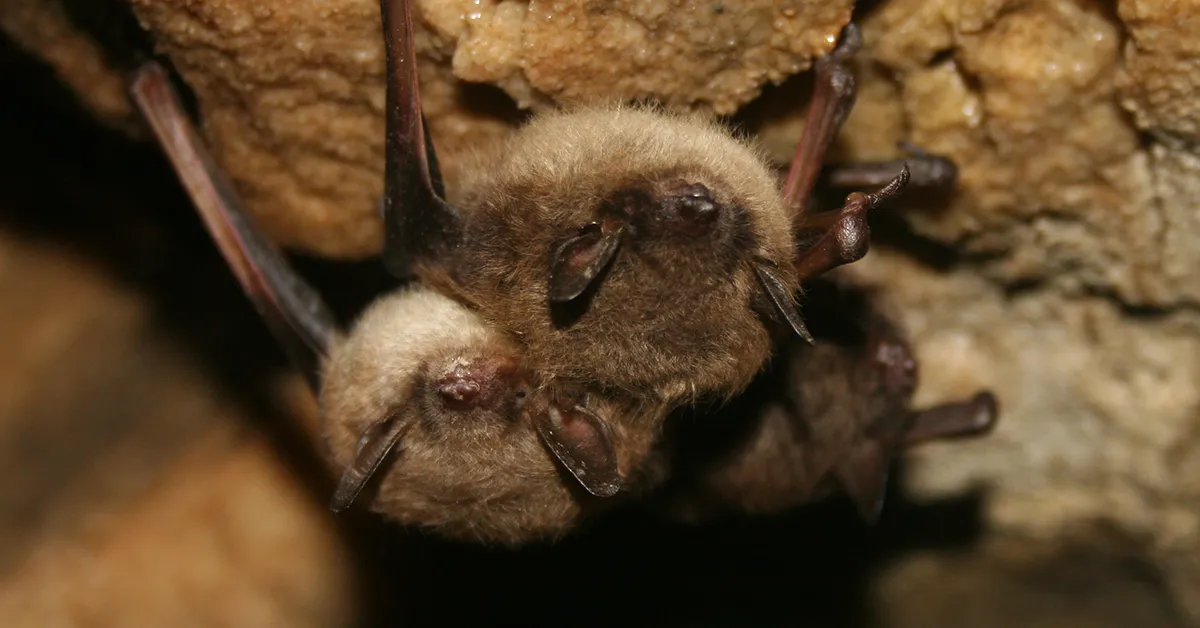
In Peachland British Columbia, a local conservation group is turning the night sky into a classroom, inviting students and community members to study bats, insects, and the vital ecosystems they share.
Peachland’s Bat Education and Ecological Protection Society, better known as BEEPS, leads the Nocturnal Bat and Insect Survey Project, a hands-on learning opportunity that’s using the magic of the nighttime world to spark curiosity, research and education. To learn more about this project, we spoke with Emma Gaudreau, president of BEEPS and Lily Liang, a UBC Okanagan student majoring in ecology, evolution and conservation in biology (Irving K. Barber Faculty of Science) and who also serves as the director of BEEPS.
In our conversation, Emma and Lily walk us through how the project got started and highlights from the field. Through this collaboration, students gained invaluable hands-on experience in field data collection and species identification, conducting ten echolocation surveys that detected nine potential bat species while supporting critical monitoring of endangered populations and white-nose syndrome. The project also created rich teaching opportunities, including “bat chats” with the UBC Wildlife Society and guided interpretive trail walks, where students learned to use specialized equipment like echo meters for bat detection. By contributing data to platforms like iNaturalist and sharing findings with BC Bats and other conservation organizations, student participants are building practical research skills while contributing to broader scientific efforts that support wildlife conservation across the region. Emma and Lily also share practical advice for others hoping to build meaningful student and community collaborations, and what’s next for BEEPS as they continue to grow.
Whether you’re a student, an educator, or someone fascinated by the natural world, this episode offers a unique look at how community science can be a powerful tool for learning, connection, and conservation.
This initiative was supported by UBC’s Partnership Recognition and Exploration Fund.