On the central coast of British Columbia, in the abundant Bella Coola Valley, the Nuxalk Nation is healing from the traumas of colonialism and rising to determine their own futures. In partnership with the Nuxalk Nation, the Museum of Anthropology (MOA) at the University of British Columbia is presenting Nuxalk Strong: Dancing Down the Eyelashes of the Sun, the world’s first dedicated exhibition of the Nuxalk.
The exhibit features over 60 historic treasures from MOA’s collections, as well as other museums, private holders, and Nuxalk families. Visitors are invited to connect with belongings made by Nuxalk ancestors and contemporary Nuxalk artists, and to witness how the Nation is reclaiming and practicing their ways of being.
“Nuxalk is starting to see museums as places where a new future can happen, a new relationship that isn’t just extractive. Museums are now places where we can share our belief systems, our worldviews, and use them as a platform to share with the larger world who we are as a small nation today.”
Snxakila–Clyde Tallio of the Nuxalk Nation
In this podcast, we spoke with the curators of Nuxalk Strong to learn more about the exhibit and the relationship between the Nuxalk Nation and the Museum of Anthropology.
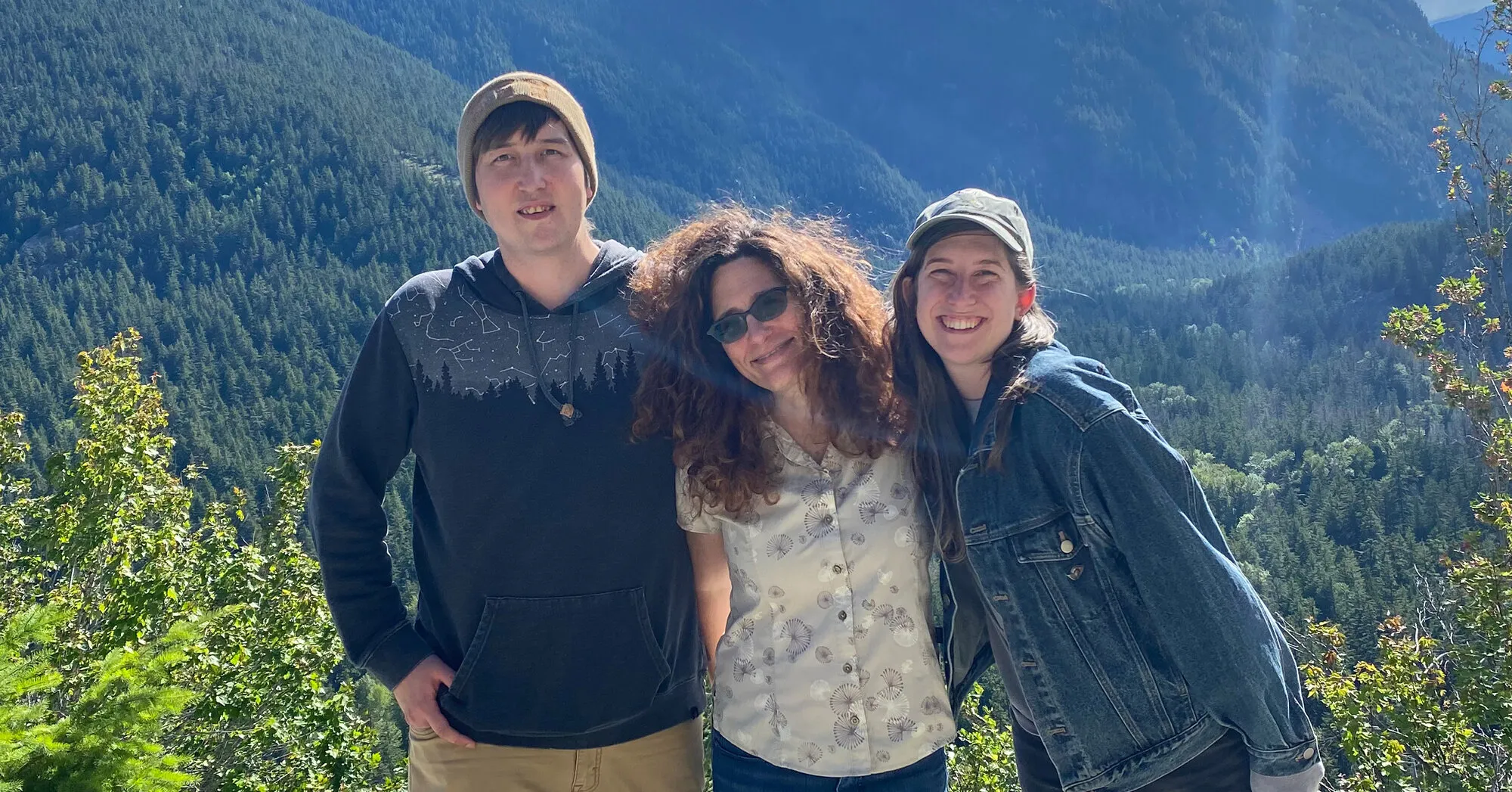
Our guests are Snxakila–Clyde Tallio of the Nuxalk Nation, Jennifer Kramer, Associate Professor of Anthropology and Curator at MOA, and Emily Jean Leischner, Postdoctoral Fellow at the American Philosophical Society in Philadelphia and a UBC alumna.
Learn more about Nuxalk Strong. The exhibit is on display until January 4th, 2026.
Content Advisory: This interview discusses residential school experiences, cultural suppression, and the long-term impacts on Indigenous peoples and communities. These topics may be distressing or triggering for some listeners and readers, especially for those who have experienced trauma or systemic violence. We acknowledge the deep pain and harm that such discussions may evoke and encourage you to prioritize your well-being.
This project was supported by the Community-University Engagement Support (CUES) Fund.